
Your Step-by-Step Guide to an Apartment for Rent in Dubai 2026
· 27 min read
Why this guide matters for renters in Dubai
Moving to Dubai is exciting! It’s a city known for its tall buildings, beautiful beaches, and amazing job chances. But if you’re looking for an apartment for rent in Dubai, you might quickly find that it’s not always simple. You’re not alone if you feel a little lost. Many people face big challenges when trying to find a home here.

One big problem is too much information. There are so many listings for an apartment for rent in Dubai, from a cozy studio apartment for rent in Dubai to a large 3 bedroom apartment rent in Dubai. It can be hard to know what’s real and what’s just noise. Plus, the rules about renting can seem tricky. Understanding all the legal steps and paperwork is not always easy, especially for people new to the city.
Then there are the money matters. Dubai’s rental market has seen big changes. For example, average apartment rents reached a 10-year high by mid-2025, with some areas seeing significant increases in what you pay to rent an apartment in Dubai.
Even though experts predict rents might calm down in 2026, it’s still crucial to know what you’re getting into and how to budget smartly Dubai Residential Rents Reach 10-Year High as Demand …. Moving in and moving out (called "handover") also have their own set of steps and things to watch out for.
This guide is here to help. We promise to give you a clear, step-by-step roadmap to make your search for an apartment for rent in Dubai much easier. We’ll cover everything from how to search effectively and manage your budget, to understanding all the legal parts, negotiating the best deal, and having a smooth move-in. Our goal is to give you trustworthy advice so you can find your perfect home without stress.
If you’re feeling overwhelmed and want expert help with your real estate needs in Dubai, remember you don’t have to do it alone.
FREE Dubai Real Estate Consultation
Understanding the Dubai rental market (overview & trends)
Now that you know the common challenges, let’s look closer at how the Dubai rental market actually works. Knowing this can help you find the best apartment for rent in Dubai without too much fuss. We’ll talk about what makes rents go up or down and the different kinds of homes you can find.
What drives rent prices: supply, demand, and seasons
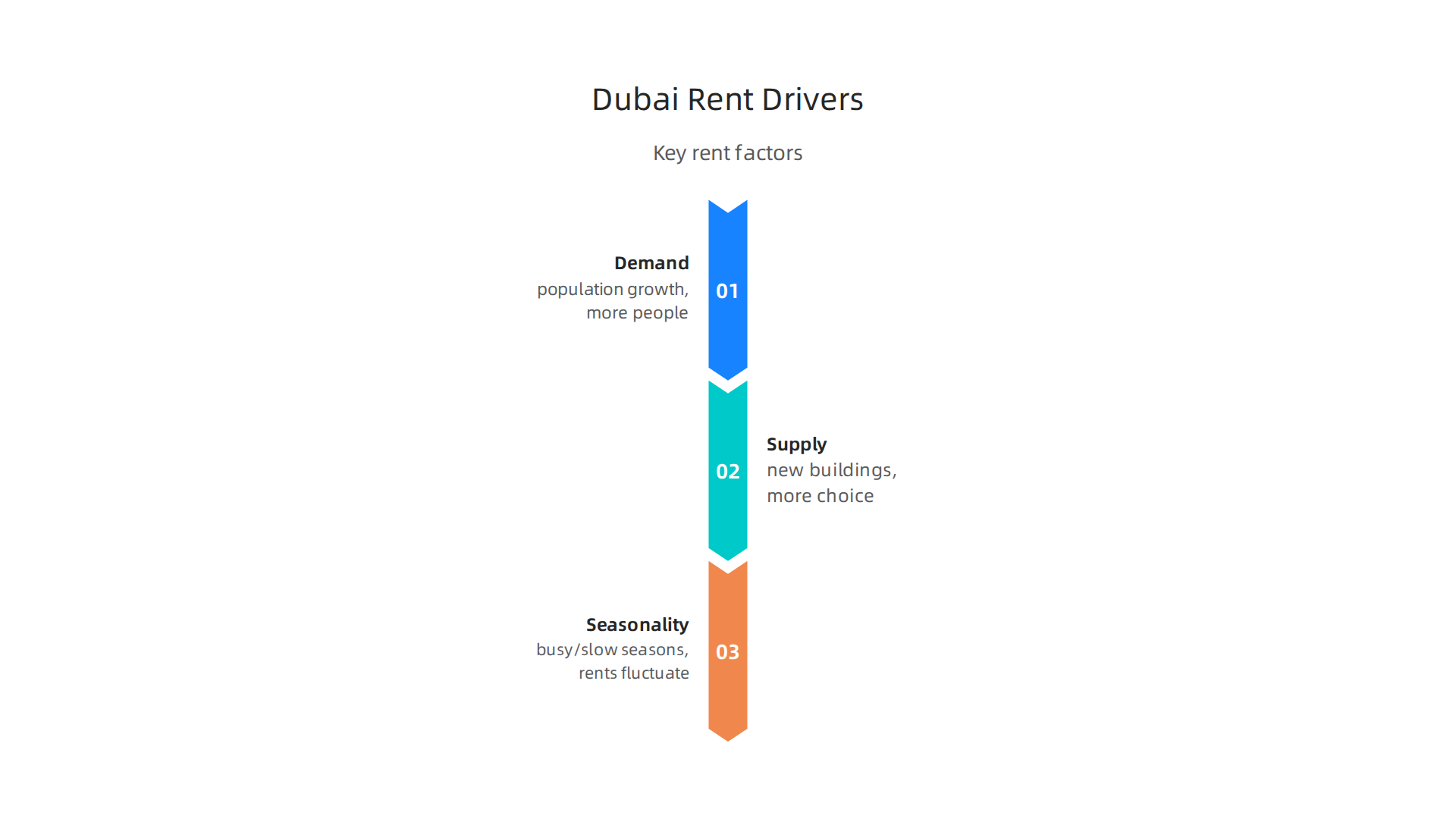
Imagine a seesaw. On one side is demand (how many people want to rent an apartment in Dubai) and on the other is supply (how many apartments are available).
- Demand: Dubai is always growing, with more people moving here for work and life. This means lots of people are looking for a home, which usually pushes rents higher. Experts note that population growth and more people using homes have kept rents rising in 2026, even with new buildings coming up Dubai Housing Market 2026: Mid-Year Review & Outlook.
- Supply: New buildings are always being built in Dubai. When many new apartments become ready at the same time, there’s more choice, and this can help rents stay steady or even drop in some areas. Looking back, apartment rents saw increases in different segments in mid-2025, but by late 2025 and into 2026, the market started showing signs of more balance Dubai house rents are expected to cool in 2026, experts say | The National. Some reports even suggest average rent growth slowed to about 6% year-on-year by November 2025 Where are UAE residential prices and rents heading in 2026?. This means the market is becoming more stable for renters.
- Seasonality: Just like weather changes, the rental market has busy and slow times. The summer months (June to August) are usually quieter. This "low season" might mean rents could go down a bit, maybe up to 5% in some spots Experts Forecast a Shift in Dubai’s Rental Market in 2026 – LinkedIn. The "high season" is when more people move, and rents tend to be higher. Knowing these patterns can help you time your search for a better deal.
Different areas also see different changes. For example, some budget-friendly areas saw rents go up by 9% in the first half of 2025, while some mid-tier areas saw increases up to 7%. But in certain spots like Jumeirah Village Circle, rents for some types of apartments actually went down Bayut’s Dubai Rental Market Report H1 2025 – MyBayut.
Types of rental homes in Dubai
When you look for an apartment for rent in Dubai, you will find a few main types of homes.
Each has its own features:
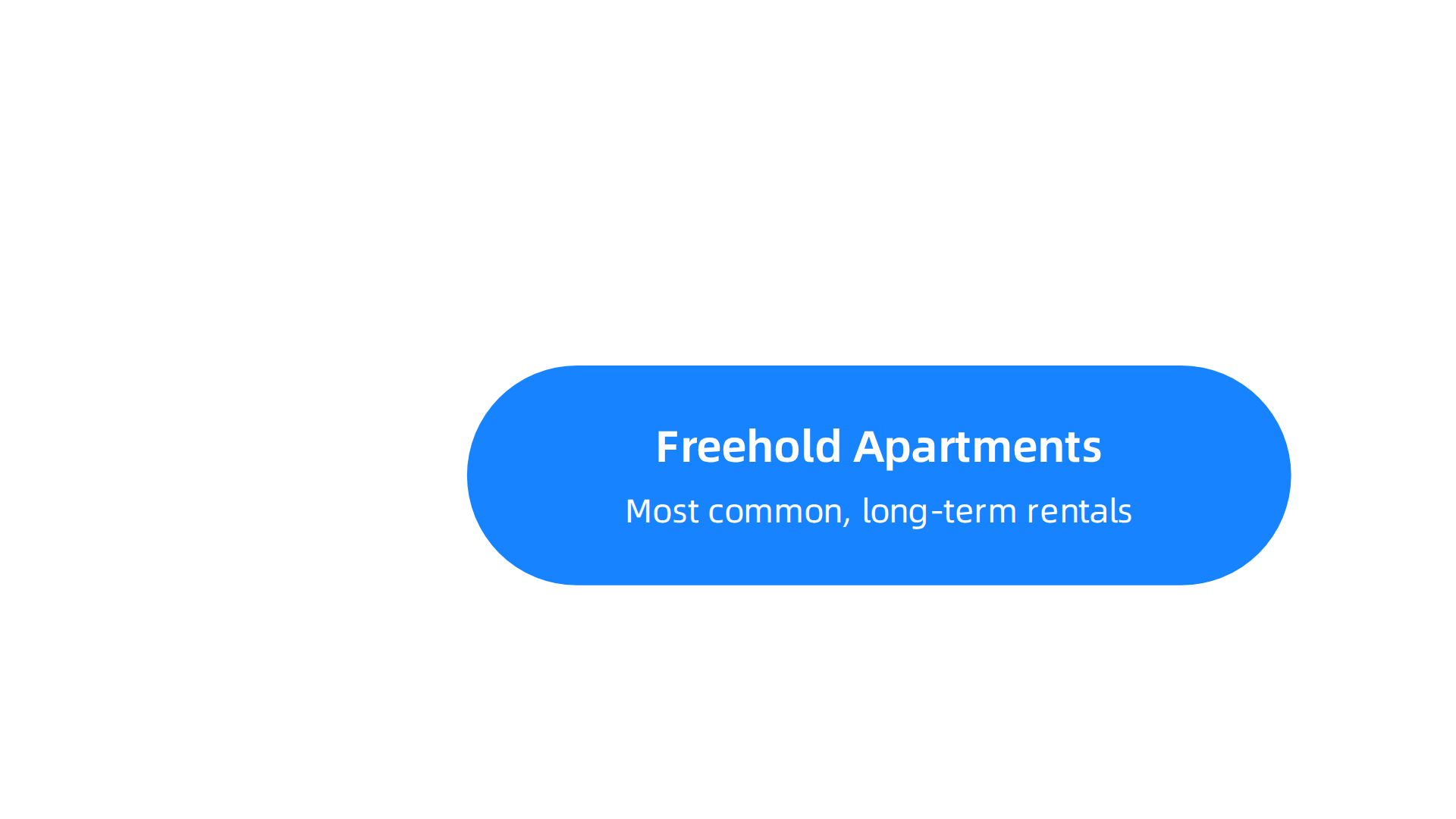
- Freehold Apartments: These are the most common type of apartment. You rent them for a longer time, usually a year or more. They come in all sizes, from a small studio apartment to a large 3 bedroom apartment. These are great if you plan to stay in Dubai for a while and want a stable home.
- Serviced Apartments: Think of these as a mix between a hotel room and a regular apartment. They come fully furnished and offer services like cleaning, room service, and sometimes even a front desk. They are usually rented for shorter periods, like a month or a few months. They can be more expensive than regular apartments, but you get a lot of comfort and convenience. You can find out more about these in our guide to Hotel Apartments In Dubai Monthly Rent.
- Off-Plan Units for Lease: Sometimes, people buy apartments even before they are finished being built. These are called "off-plan" properties. Once they are completed, the owners might put them up for rent. This can offer a chance to rent a brand-new apartment. While our site mostly focuses on buying off-plan, understanding that these can become available for rent is key. If you’re looking for a furnished studio for rent in Dubai, these new units might be an option.
Choosing the right neighborhood: matching lifestyle and investment goals
After learning about the different types of homes, your next big step is to pick the right area. This is a very important choice because your neighborhood truly shapes your daily life in Dubai. Finding the perfect apartment for rent in Dubai means thinking about what matters most to you.
What to look for in a neighborhood
When you start your search, consider these things:
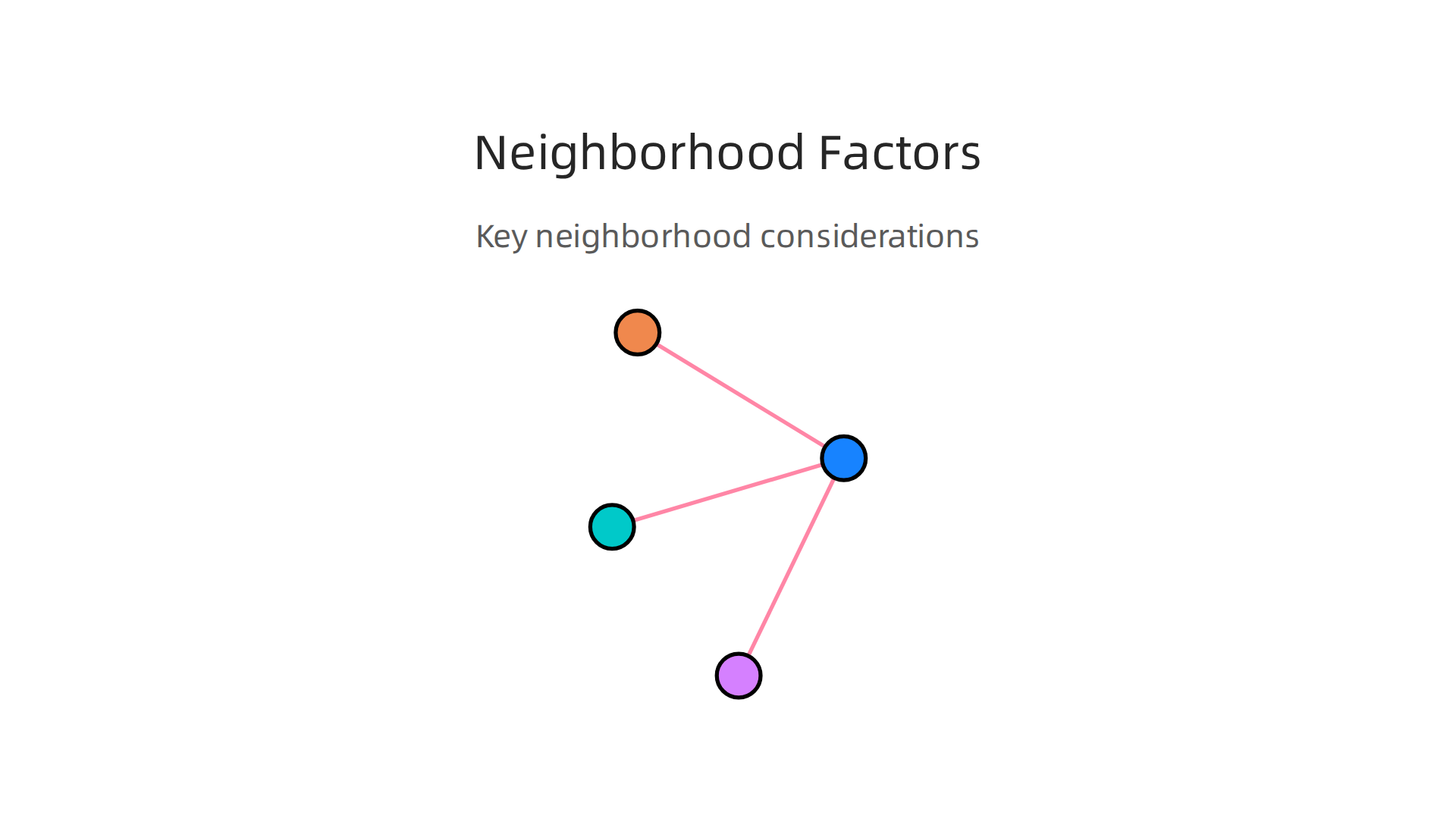
- Your daily commute: How far is your job? Do you want to be close to public transport or prefer to drive? Living near your workplace can save you a lot of time and stress. For example, if you work in DIFC, you might want to consider areas that offer a quicker drive.
- Amenities nearby: Think about what you use often. Are there supermarkets, pharmacies, parks, gyms, or coffee shops within easy reach? Many family-friendly areas in Dubai offer plenty of parks, playgrounds, and places for fun activities

The Best Neighborhoods for Families in Dubai.
- Schools and healthcare: If you have children, being near good schools is key. Some neighborhoods are known for having many top-rated schools Top Dubai Neighborhoods for Families: Where to Live Near the Best Schools. Access to clinics and hospitals is also very important for everyone.
- Future development plans: Is the area growing? Are new shops, parks, or roads being built? An area with good future plans can make it even nicer to live in down the road.
Finding your ideal community
Dubai has many different communities, each with its own feel. You might want a busy city vibe or a quiet family setting.
- For families: Areas like Arabian Ranches and Dubai Hills Estate are very popular.
Arabian Ranches is known for being a peaceful, gated community with lots of parks and walking paths, making it great for families with kids 6 Best Neighborhoods in Dubai for Families in 2026. Dubai Hills Estate offers wide-open green spaces and many facilities. Other good choices for families include Jumeirah, Jumeirah Park, and Emirates Living 10 Best Areas to Live in Dubai with Family. If you need a spacious home, you might look for a 3 bedroom apartment for rent in Dubai in these areas.
- For singles or young professionals: Places like Dubai Marina, Downtown Dubai, or Business Bay offer a lively lifestyle with lots of dining and entertainment options. If you’re looking for something smaller and more affordable, a studio apartment for rent in Dubai might be perfect in areas like these, or perhaps a studio room for rent in Dubai in a more budget-friendly neighborhood.
- Budget-friendly options: Communities like Jumeirah Village Circle (JVC) or Bur Dubai can offer more affordable rental options, especially if you are looking to rent apartment in Dubai without breaking the bank.
Your Neighborhood Checklist:
To help you decide, here’s a simple checklist:
- List your top 3 must-haves: (e.g., close to work, good school, big park)
- Set your budget: How much can you comfortably pay for your apartment for rent in Dubai?
- Research 3-5 communities: Look up areas that fit your needs and budget.
- Visit in person: Spend time in your top choices. See what they feel like during the day and evening.
- Talk to people: Ask residents about living there.
By doing your homework and visiting different spots, you will be able to find a community that feels just right for you and your family in 2026.
Finding the perfect spot for your apartment for rent in Dubai is just the start. The next big thing to think about is money. Renting in Dubai involves more than just the monthly rent fee. You need to know about all the costs so you can plan your budget well. Let’s look at what you need to pay upfront and what costs keep coming each month.
Budgeting: rent, deposits, fees, and ongoing costs
When you plan to rent apartment in Dubai, it’s important to know all the money details. The rent you see advertised is only part of the story. There are many other fees and deposits you need to pay, especially when you first move in. Knowing these upfront can save you from surprises.

Upfront costs to consider
Before you even move into your new home, you’ll need to pay several important fees.
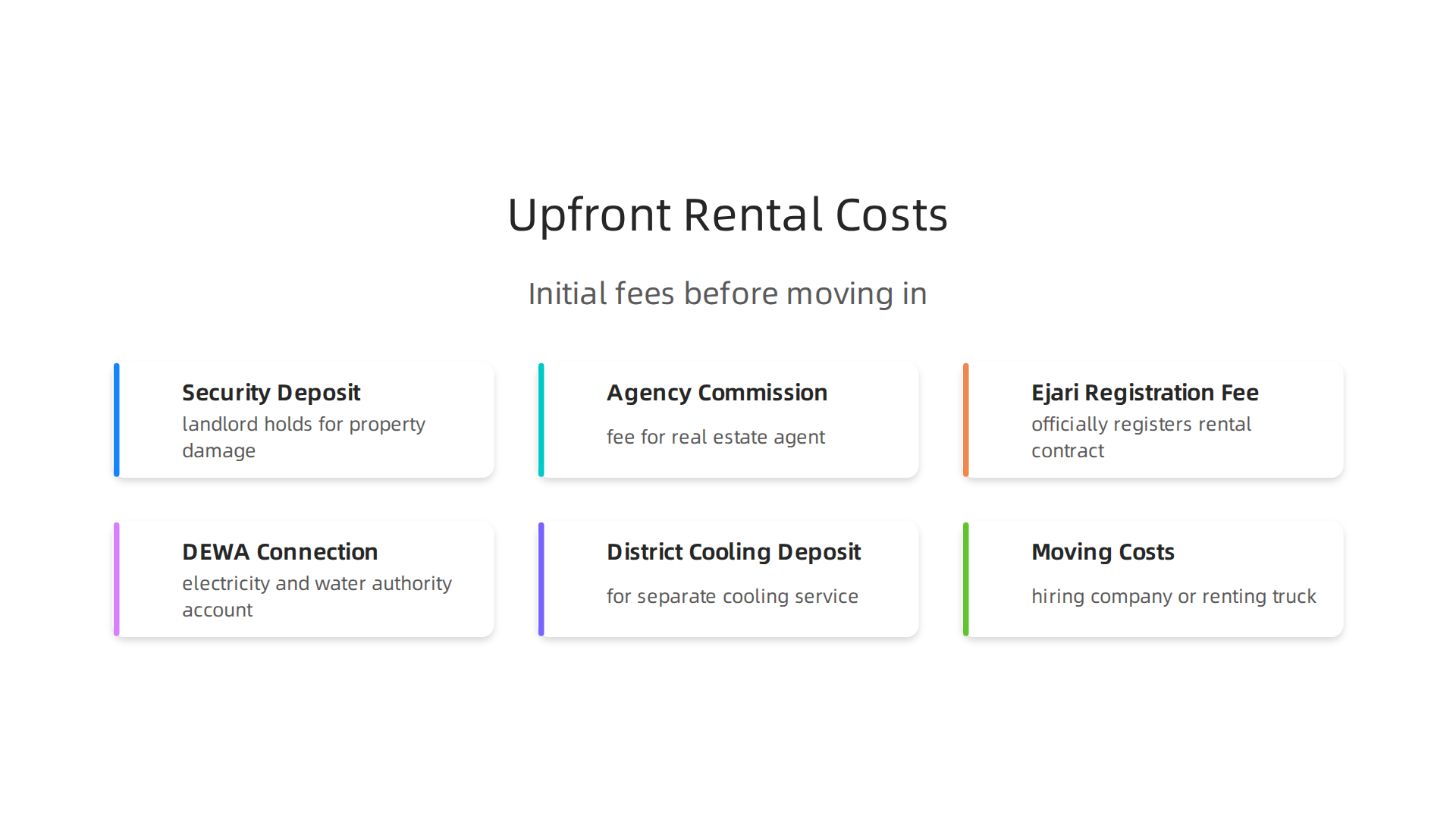
Think of these as your "move-in" costs.
- Security Deposit: This is money your landlord holds in case there’s any damage to the property. It’s usually 5% of your yearly rent for an unfurnished apartment. If you’re renting a furnished apartment, it can be 10% of the annual rent. You should get this back when you move out, if everything is in good order. Sources like "Renting in Dubai: The Complete 2026 Guide for New Tenants" explain this more Renting in Dubai: The Complete 2026 Guide for New Tenants.
- Agency Commission: If you used a real estate agent to find your apartment, you will pay them a fee. This is often 5% of your yearly rent, plus a small tax called VAT. This is a one-time payment.
- Ejari Registration Fee: Ejari is a system that officially registers your rental contract with the government. This protects both you and your landlord. The fee for Ejari registration is usually around AED 220 in 2026. This is a must-do step.
- DEWA Connection and Deposit: DEWA stands for Dubai Electricity and Water Authority. You’ll need to set up an account with them for your electricity and water. This involves a refundable security deposit, typically around AED 2,000 for an apartment. There might also be a small activation fee.
- District Cooling Deposit: In some buildings, especially newer ones, your apartment’s cooling might be provided by a separate company, not DEWA. If so, you’ll need to pay another deposit for this service, which can be around AED 2,000.
- Moving Costs: Don’t forget the cost of hiring a moving company or renting a truck to move your things. This can vary a lot, but it’s a real cost to budget for.
To get a clearer picture, you can use a Dubai Rental Cost Calculator to add up these different fees.
Ongoing monthly and annual costs
After you pay the initial fees, you’ll have regular costs each month or year.
- Monthly Rent: This is the main payment for your apartment for rent in Dubai. Whether it’s a studio apartment for rent in Dubai or a 3 bedroom apartment rent in Dubai, this is your biggest regular expense.
- DEWA Bills: Your monthly DEWA bill covers your electricity and water usage. It also includes a "Housing Fee," which is 5% of your annual rent, divided across your monthly DEWA bills. This fee is a fixed part of living in Dubai.
- District Cooling Charges: If your cooling is from a separate company, you’ll get a monthly bill from them. This can sometimes be a big part of your costs, especially in summer. Make sure to ask if cooling charges are included in the rent or paid separately.
- Internet, TV, and Phone: You’ll need to budget for these services, which are essential for most people in 2026.
- Maintenance: While landlords usually cover major repairs, you might be responsible for small fixes in your apartment. Check your rental contract carefully to understand what you need to pay for.
- Home Insurance: It’s a good idea to consider getting home insurance to protect your belongings, though it’s not compulsory.
Knowing all these costs helps you create a full budget. This way, you can truly afford the apartment you choose and avoid any financial stress.
If you are buying, selling, renting, or investing in Dubai, you can connect with Ayaz Salman for a FREE Dubai Real Estate Consultation.
Knowing about all the costs to rent an apartment for rent in Dubai is a smart first step. But money is not the only important thing. You also need to understand the rules and papers involved. Dubai has clear laws for renting to keep things fair for everyone. Let’s look at the legal essentials you must know when getting your apartment for rent in Dubai.
Legal essentials: tenancy contracts, Ejari, tenant rights and visas
When you decide to rent apartment in Dubai, you’ll sign an important document called a tenancy contract. This contract is your written agreement with the landlord. It lists all the rules, how much rent you pay, and for how long. It’s super important to read this paper carefully.
Your tenancy contract: what to check
Your tenancy contract will spell out many things. Here are some key parts to look for:
- Rent Amount and Payment Dates: Make sure the monthly or yearly rent matches what you agreed on. Also, check when payments are due.
- Contract Length: This is how long you can live in the apartment. It’s usually one year.
- Maintenance: The contract should say who pays for what repairs. Landlords usually fix big things, but you might pay for smaller repairs in your studio apartment for rent in Dubai or even a larger 3 bedroom apartment rent in Dubai.
- Early Exit Clause: What happens if you need to move out before the contract ends? Check if there’s a penalty.
- Notice Period: How much notice do you or your landlord need to give before ending the contract or changing the rent?
Always make sure all the details are clear and that you agree with everything before you sign.
Ejari registration: a must-do step
Once you sign your tenancy contract, the next critical step is to register it with Ejari. Ejari means "my rent" in Arabic. It’s an online system run by the Dubai Land Department (DLD) that makes your rental contract official with the government.
Why is Ejari so important?
- Legal Protection: It protects both you and your landlord by registering the contract. Without an Ejari registration, your contract has no legal standing in Dubai courts if a dispute comes up, according to the Dubai Rental Law 2026.
- Mandatory: It is legally required for all residential rental contracts longer than six months in Dubai in 2026.
- Required for Services: You’ll need your Ejari certificate to set up many services, like your DEWA electricity and water account.
To register, you usually need your tenancy contract, Emirates ID or passport, and the property’s title deed. You can do this online through the Dubai REST app or at special service centers. You can learn more about how to register your rental contract in the Complete 2026 Dubai Guide to What is Ejari and How to Register.
Tenant rights and landlord obligations
Dubai has specific rental laws to protect tenants and landlords. These laws outline your rights as a tenant. For example, your landlord cannot increase your rent more than what the Dubai Rental Index allows. They also need to give you proper notice if they want you to leave. As a tenant, you have the right to peaceful enjoyment of your home.
On the other hand, landlords have duties too, like ensuring the property is safe and doing major repairs. If you live in an apartment in Bur Dubai for rent 2026, you can find more details about your specific rights.
If you ever have a disagreement with your landlord that you can’t solve, Dubai has a special place called the Rental Dispute Centre (RDC). This center helps to settle problems fairly, following Dubai’s rental laws. Make sure to keep all your papers, like your contract and Ejari certificate, safe.
Visas and your apartment for rent in Dubai
Finally, your tenancy contract also plays a big role in your visa status. If you are an expat looking for an apartment for rent in Dubai, you will likely need a valid Ejari-registered tenancy contract to apply for or renew your residency visa in the UAE. It shows you have a stable home address in the country.
After you understand all the legal steps and papers, the next exciting part is finding your ideal home. This means looking at different places and picking the best one for you. Let’s explore how you can search for an apartment for rent in Dubai and what to check when you visit it.
Searching and viewing apartments: platforms, brokers and inspection checklist
When you’re ready to find an apartment for rent in Dubai, you have a few ways to look. Each way has its good points and not-so-good points.
Ways to find your rental apartment
-
Online Property Websites: These are very popular. You can see many listings for a studio apartment for rent in Dubai or even a big 3 bedroom apartment rent in Dubai all in one place.
- Good things: Lots of choices, easy to compare prices and locations. You can filter by how many bedrooms, rent amount, and more.
- Things to watch out for: Some listings might be old, or the pictures might not show the real condition of the apartment. You’ll often deal with many different real estate agents.
-
Direct from Property Developers: Sometimes, you can find properties directly from the companies that built them. This is often true for brand-new buildings.
- Good things: You might get special deals or be the first to live in a new place. The information is usually very accurate.
- Things to watch out for: Your choices are limited to what that one developer offers. There might not be as many options as on a big website.
-
Real Estate Brokers: These are professionals who help people find homes. They know a lot about the Dubai market.
- Good things: Brokers can save you time by finding apartments that fit your needs. They can also help you with talks and paperwork. Many of them know about good areas for families, like Arabian Ranches or Dubai Hills Estate, which are known for parks and schools in 2026. For help finding a reliable expert, you can learn about how to find a property broker Dubai investors trust or look into the best real estate agencies in Dubai.
- Things to watch out for: You usually have to pay a fee to a broker, which is often a small part of your yearly rent. Make sure to understand their fees before you start. It is also important to know how to review a real estate agent in Dubai to avoid problems.
Your apartment viewing checklist
Once you find a few apartments you like, you’ll want to visit them. This is your chance to make sure the apartment is truly right for you. Here’s a simple checklist to use when you go to see a place:
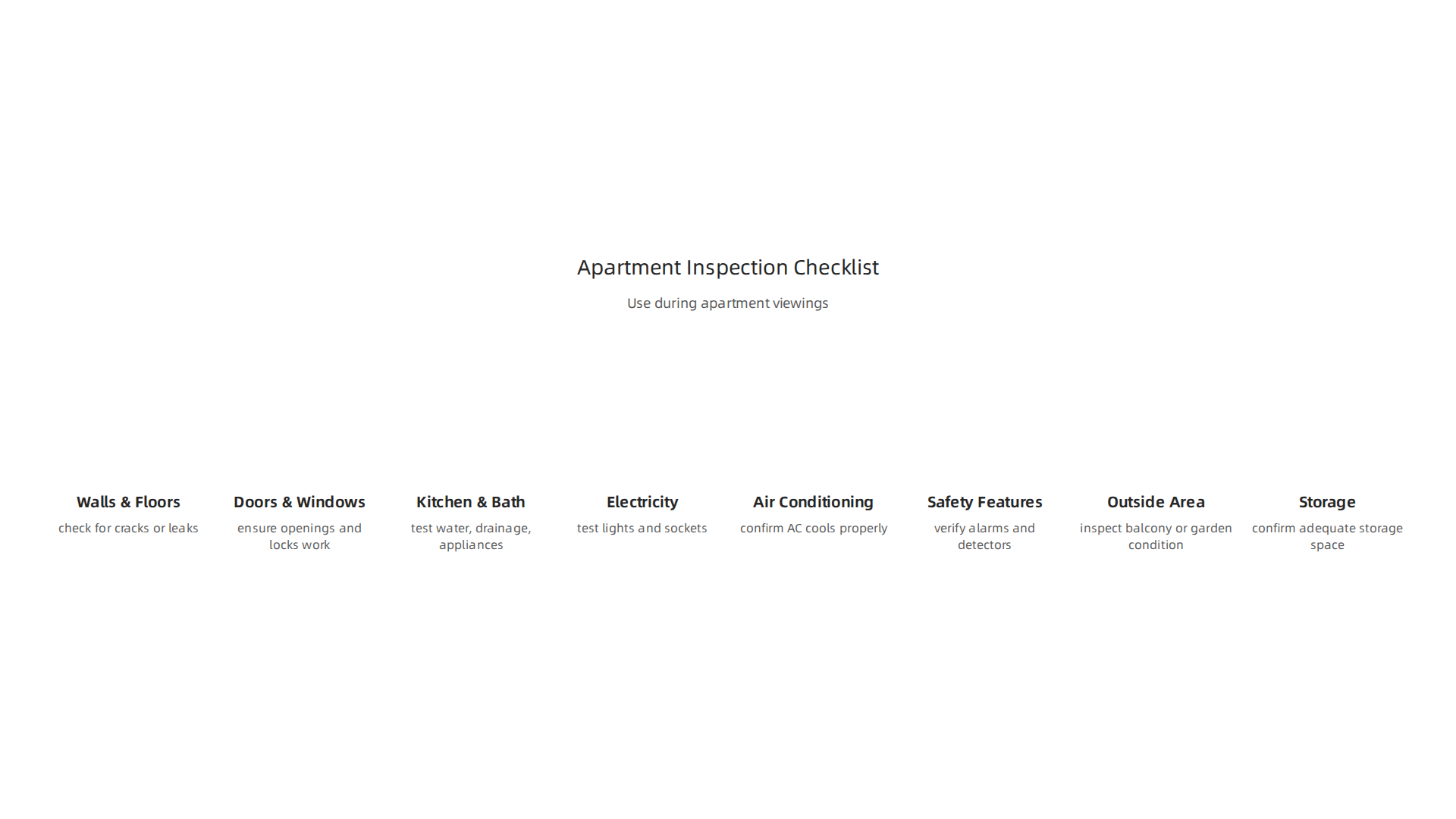
- Check the Walls, Ceilings, and Floors: Look for any cracks, stains, or signs of water leaks.
- Doors and Windows: Make sure they open and close easily. Check that the locks work well and feel secure.
- Kitchen and Bathroom: Turn on all the taps to check water pressure and drainage. Flush the toilets. Make sure all appliances (if included) are in good working order.
- Electricity: Test light switches and a few power sockets to see if they work.
- Air Conditioning: Dubai can be very hot, so check if the air conditioning turns on and blows cool air.
- Safety Features: Look for fire alarms and working smoke detectors.
- Outside Area: If there’s a balcony or garden, check its condition.
- Storage: See if there’s enough space for your things.
It’s a good idea to take pictures or videos of anything you notice, good or bad, during your visit. This helps you remember and also gives you proof of the apartment’s condition before you move in, as suggested by experts in rental house inspections in 2026. This practice is important for tenants to protect themselves when renting an apartment. A detailed guide for tenants is available with a rental house inspection checklist.
Feeling a bit overwhelmed by the search? Or maybe you have more questions about finding the best place to rent in Dubai?
FREE Dubai Real Estate Consultation
After you have carefully checked out different apartments and picked the one you like best, the next steps are all about making it yours. This means filling out papers, talking about the price, and signing an important agreement. Let’s walk through how to apply for an apartment for rent in Dubai, how to talk about the rent, and what to look for in your rental paper.
Getting your application ready
When you decide on a rental apartment, you’ll need to submit an application. This lets the landlord or agency know you are serious. You’ll need to show some important papers, such as:
- Your passport copy
- Your UAE resident visa copy
- Your Emirates ID copy
- A salary certificate or a letter from your job showing how much you earn
- Sometimes, bank statements
- Post-dated checks for the rent payments
Landlords often ask for rent to be paid using several checks handed over at the start of the rental period. This is common for an apartment for rent in Dubai, whether it’s a small studio or a larger 3 bedroom apartment rent in Dubai.
Talking about the rent
Did you know you might be able to talk about the rent price? It’s true! While some landlords set a firm price, others might be open to a little negotiation. Here are some tips:
- Offer more checks: If they want four checks for the year, you could offer to pay with two checks (or even one) to see if they’ll lower the yearly rent. This saves them time and effort.
- Ask for a longer lease: Sometimes, if you agree to rent for more than one year, they might give you a better deal.
- Consider the market: If there are many empty apartments around, landlords might be more willing to negotiate.
It is always worth asking politely if there is any flexibility on the rent.
Understanding the costs of renting in Dubai
Before you sign anything, it’s super important to know all the costs involved. It’s not just the rent. There are other fees you need to plan for. Experts say you should budget for several upfront costs when renting in Dubai in 2026, not just the monthly payment itself.
Here’s a breakdown of common upfront costs:
- Security Deposit: This is money the landlord holds in case of damages. It’s usually 5% of the yearly rent for an unfurnished place and 10% for a furnished place, and you should get it back when you move out, minus any agreed deductions for damage beyond normal wear and tear. You can learn more about these expected costs in a comprehensive guide to Renting in Dubai: The Complete 2026 Guide for New Tenants.
- Agency Fee: If you used a real estate agent, you will likely pay them a fee. This is often 5% of your yearly rent plus a little extra for VAT (tax).
- Ejari Registration Fee: Ejari is Dubai’s required rental contract registration system. It protects both you and the landlord. The fee for this is usually around 220 AED. The Ejari system helps make sure your rent contract is legal and properly recorded.
- DEWA Deposit: This is a deposit for your water and electricity service. For an apartment, it’s usually around 2,000 AED and you get it back when you close your account. You can check a practical Cost of Rent in Dubai: A Practical Price Guide 2026 to help plan your budget.
There can be other costs too, like for cooling services if your building uses district cooling. Make sure you ask about all fees so there are no surprises. For more details on avoiding unexpected expenses, consider reading about how to rent property Dubai.
Signing the lease agreement
The lease agreement is your rental contract. It’s a very important paper that states all the rules and terms for your rental.
- Lease Duration: Most rental agreements for an apartment for rent in Dubai are for one year.
- Renewal: If you want to stay longer, you’ll usually renew the contract. Both you and the landlord need to agree to the new terms, often a few months before the old contract ends.
- Rent Increases: Landlords can increase the rent, but there are rules about how much they can ask for. These rules come from RERA (Real Estate Regulatory Agency) and depend on how much rent similar apartments in your area are fetching. You can use the RERA Rental Index to see if a proposed rent increase is fair.
Always read your lease agreement carefully before you sign it. Make sure you understand everything, especially the details about payment, how to end the contract, and who fixes things if they break. If you have any doubts, ask for help from a trusted real estate expert.
Need guidance with your rental application, negotiation, or understanding the lease in Dubai?
FREE Dubai Real Estate Consultation
After you have signed your lease agreement, the next exciting step is getting ready to move into your new apartment for rent in Dubai. This involves a careful handover process and understanding how to manage your tenancy smoothly. Being prepared can save you from problems later on.
Your Move-in and Handover Checklist
When you get the keys to your new place, do not rush. It is a good idea to have a special checklist for your move-in day. This is when you and the landlord or agent check the apartment together. Think of it like a final inspection.
Here’s what you should look for:
- Inspect everything: Check the walls, ceilings, and floors for any cracks or stains. Open and close all doors and windows to make sure they work well and lock properly. Turn on taps, flush toilets, and test showers to check the plumbing. Turn on lights and test electrical sockets. Do this for all rooms, especially for a larger 3 bedroom apartment rent in Dubai. Experts suggest you should inspect the property for defects before you sign your tenancy contract or on the day you receive your keys.
- Take pictures and videos: This is very important! Take clear, time-stamped photos and videos of every room, especially if you see any small issues or damages. This helps prove the condition of the apartment when you moved in. You should send these pictures to your landlord or agent by email to have a written record, according to tips for a Move-In Move-Out Checklist Dubai. You can also use a structured rental house inspection checklist for tenants to guide you.
- Meter readings: Write down the meter readings for electricity and water (DEWA) and any cooling services on the day you move in. This makes sure you only pay for what you use. The landlord should have closed their old accounts, and you will open new ones in your name.
- Collect important documents: Make sure you receive all keys, access cards, and parking permits. Also, confirm that your Ejari registration is complete. Ejari is a system that registers your rental contract with the Dubai Land Department and is required by law for all residential tenancy contracts longer than six months in Dubai. An unregistered contract cannot be used in court if there’s a dispute, as explained in a guide to Dubai Rental Law 2026. You can learn more about how to register your tenancy contract through Ejari in Dubai 2026.
Living in Your Rental Apartment
Once you’re settled, here are some tips for managing your tenancy:
- Maintenance requests: If something breaks or needs fixing in your studio apartment for rent in Dubai or any other rental, let your landlord or agent know right away, in writing if possible. Your lease agreement should explain who is responsible for different repairs.
- Security deposit: This money is held by the landlord for damages beyond normal wear and tear. When you move out, if the apartment is in good condition, you should get your deposit back. Always refer to your move-in photos to show the original state of the property.
- Subletting rules: Most rental contracts in Dubai do not allow you to rent out part or all of your apartment to someone else (subletting) without the landlord’s written permission. Breaking this rule can lead to problems.
- Ending your tenancy: When your lease is nearing its end, you usually need to give your landlord notice if you plan to move out or if you want to renew. Check your contract for the exact notice period, which is often 60 or 90 days before the lease ends. Before you leave, make sure the apartment is clean and in good order to help ensure you get your security deposit back. If you are looking to find another place to rent, consider using tools to find a cheap apartment for rent in Dubai monthly.
Being a good tenant and knowing your rights and duties will make your experience of renting an apartment in Dubai much easier and more enjoyable.
Summary
This guide helps anyone searching for an apartment for rent in Dubai by walking through the whole rental journey: market trends, types of homes, neighbourhood choice, budgeting, legal steps, searching and viewing, and moving in. It explains what drives rent changes, how seasonality and new supply affect prices, and the main rental options from studios to serviced apartments. You will learn exactly which upfront costs to expect (deposits, agency fees, Ejari, DEWA), how to check a tenancy contract, and why Ejari registration matters for legal protection and visa use. Practical checklists cover neighbourhood priorities, viewing inspections, application documents, negotiation tactics, and a move-in handover process to protect your deposit. By the end you’ll be able to compare offers, avoid common pitfalls, complete required registrations, and manage your tenancy with confidence.